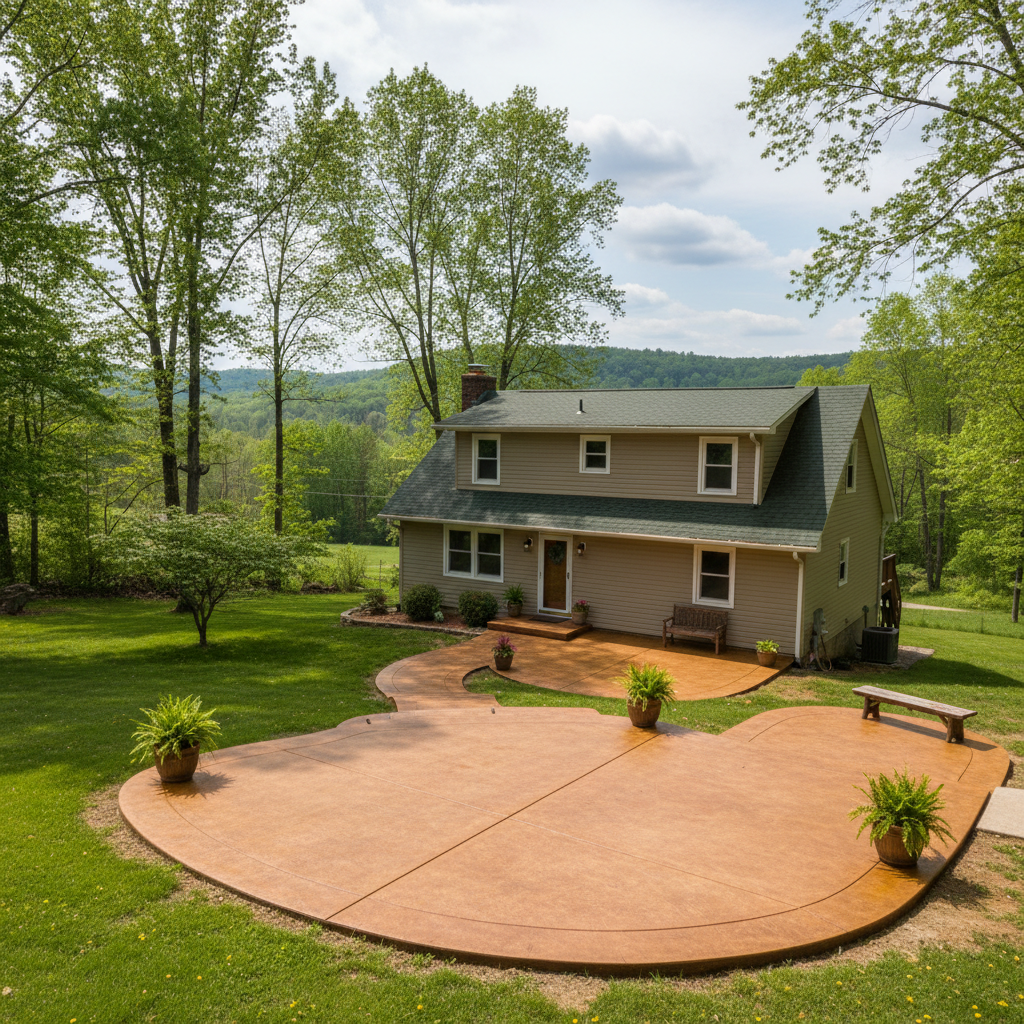
So, you're thinking about staining that old concrete slab, or maybe even a new one you just poured? Smart move! Concrete staining can really change a space, giving it a whole new vibe without the mess of tearing everything out. But, like with any home improvement, it's not just about picking a color. You really need to plan it out right if you want it to go smoothly and look fantastic for years to come. I've seen plenty of projects around Cedar Grove — from those older homes up on the hill to the newer builds down by the river — and the ones that turn out best always start with solid planning.
Setting Your Project Timeline
First things first, let's talk about when to do this. This isn't a quick weekend job you can just knock out in a couple of hours. A concrete staining project, if it's done well, usually takes a few days. Sometimes longer, actually, depending on the size and condition of the concrete, and what kind of stain you're planning to use. You're looking at a multi-step process, and every single step needs proper drying and curing time.
- Initial Cleaning: This part is super important. We're talking deep cleaning here, sometimes even pressure washing, to get rid of all the dirt, grime, oil, and old sealers. This alone can take a few hours to a full day, plus drying time.
- Surface Prep: Got cracks or divots? We'll need to fix those. Sometimes we might even have to etch the surface a bit to make sure the stain really grabs on. More time, more drying.
- Stain Application: Usually, we'll put this on in multiple coats, especially if you're aiming for a richer, deeper color. Each coat needs to dry before the next one goes on. This can easily be a day or two just for the staining part.
- Sealing: Once the stain is completely dry and cured (that's usually 24-72 hours after the last stain coat), we apply a sealer. Often, that means two coats, each needing its own drying time.
- Full Cure: Even after the sealer feels dry to the touch, it needs more time to fully cure before you put heavy furniture back on it or drive a car over it. This can take anywhere from 3 to 7 days, sometimes even longer in humid conditions, which we definitely get here in the Kanawha Valley.
So, when you're trying to figure out when to start, remember you'll need a stretch of good, dry weather. Don't plan this right before a big family gathering if you need that patio ready to go. Give yourself at least a week, maybe even two, from start to when you can fully use the surface again.
What to Expect During the Process
When we're working on your concrete, you'll notice a few things happening. It's not just a quick spray-and-done deal. Expect some noise from pressure washers or grinders if we need to do some heavy prep work. There will be chemicals involved, too — cleaners, etchers, the stain itself, and the sealer. We always take precautions, of course, but you'll definitely notice the smells. It's not usually overwhelming or dangerous, but it's there.
We'll tape off and protect the area. We certainly don't want stain getting on your house siding, landscaping, or anything else nearby. We'll be moving things like patio furniture, planters, and whatever else is sitting on the surface. It helps a lot if you've cleared the area as much as you can beforehand. You'll also see the color change gradually. Stains aren't like paint; they react with the concrete, so the final color develops over time, especially with acid stains. It's a bit of a magic trick, honestly.
How to Prepare Your Home and Property
Before any crew from Guardian Concrete even shows up, there are a few things you can do to make the whole process smoother for everyone involved:
- Clear the Area: Move all furniture, potted plants, grills, toys — basically anything on the concrete surface. If it's a driveway, make sure your cars are parked somewhere else for the entire duration.
- Trim Landscaping: If you have bushes or plants right up against the concrete, give them a trim back. This helps us protect them and gives us enough room to work.
- Protect Valuables: If there's anything fragile or valuable near the work area that just can't be moved, please let us know. We'll take extra care to cover it.
- Pet & Child Safety: Keep pets and kids away from the work area, especially during application and drying times. Those chemicals aren't good for them, and you definitely don't want little paw prints in your freshly stained surface.
- Access: Make sure we have clear access to the work area, and to a water source and electrical outlets.
Questions to Ask Before You Sign
Don't just jump into a contract, okay? Ask questions. Any reputable contractor, and that includes us at Guardian Concrete, will be happy to answer them. Here are some good ones to start with:
- What type of stain are you recommending and why? There are acid stains, water-based stains, and dyes. Each one gives a different look, has different durability, and needs different application processes. Make sure you understand what you're getting.
- What kind of surface preparation is included in the quote? This is huge. If they skip proper prep, the stain just won't last. Ask about cleaning, crack repair, and etching.
- How many coats of stain and sealer will be applied? More coats often mean better color depth and protection.
- What's the estimated timeline for the project, including drying and curing? Get a clear idea of when you can actually use the surface again.
- What kind of sealer are you using, and what's its expected lifespan? Different sealers offer different levels of protection and will need different maintenance.
- What's your warranty on the work? Good contractors stand behind what they do.
- Can I see some examples of your previous staining projects? Pictures are great, but if they have a local project you can drive by, even better.
- What's your plan for protecting adjacent areas like walls, landscaping, and other concrete? Overspray is a real concern if they're not careful.
- What's the maintenance like after the project is done? You'll want to know how often to clean it and if it needs re-sealing down the road.
Asking these questions upfront will save you a lot of headaches later. It makes sure everyone's on the same page and that you're getting a quality job. A well-stained concrete surface can add so much curb appeal and enjoyment to your Cedar Grove home, so it's definitely worth doing it right.