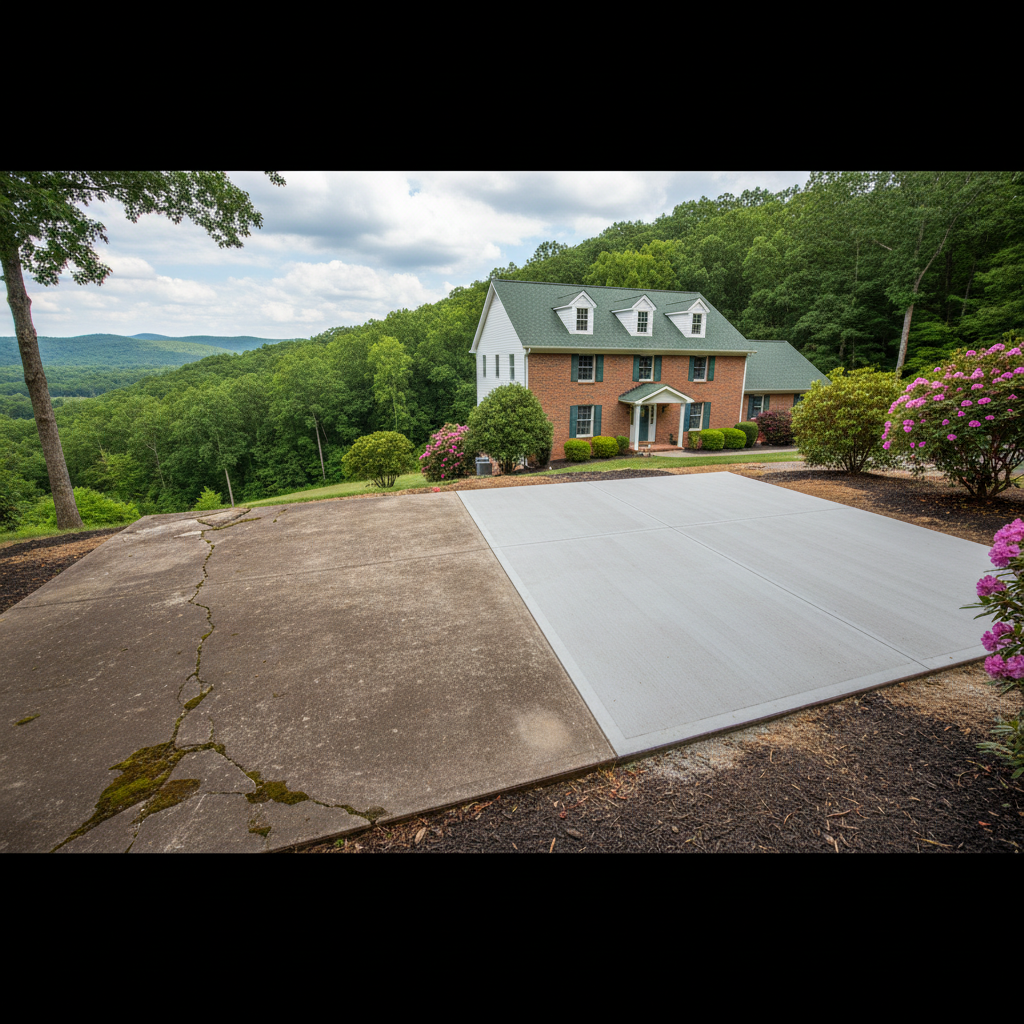
Building a new home or maybe just adding an extension? One of the first big decisions you'll hit is figuring out what kind of foundation to lay down. Around here in Cedar Grove, you mostly see two main types: a slab-on-grade or a crawl space foundation. Both have their good points and bad points, and honestly, what's perfect for your neighbor up on Kelly's Creek might not be the best fit for your place down by the Kanawha River.
Slab-on-Grade Foundation: The Lowdown
A slab-on-grade foundation is pretty much what it sounds like: a thick concrete slab poured right onto the ground. Typically, it's got rebar or wire mesh inside for strength and sits on a carefully prepared, level bed of gravel. The edges are often thicker, forming a built-in footing.
Cost
Generally speaking, a slab foundation is the cheapest option to start. You're just using less material overall compared to a crawl space, and the work involved usually goes quicker. No need to dig deep trenches for walls, no block laying for foundations. For folks really watching their budget, this is often a huge plus.
Durability & Maintenance
These things are tough, let me tell you. A properly poured and cured slab can last for decades with very little fuss. Since it's solid concrete right on the ground, you won't have to worry about wood rot, mold growing in a damp crawl space, or critters deciding to move in under your house. Maintenance mostly means keeping the perimeter clear and making sure water drains away from the slab so it doesn't pool.
Appearance
Well, you don't really *see* the foundation with a slab, do you? The house just sits right on it. If you're going for a clean, low-profile look, this is it. No exposed foundation walls to bother painting or finishing.
WV Conditions Considerations
Here's where things get a bit tricky in West Virginia. Our hilly terrain and all sorts of soil conditions can sometimes make a slab a real challenge. If your lot isn't perfectly flat, or if you've got expansive clay soils that shift a lot when moisture levels change, a slab might be more likely to crack over time. Good site prep is absolutely critical with a slab, especially with the freeze-thaw cycles we get. If water sneaks under that slab and freezes, it can cause serious damage. Oh, and if you ever have plumbing issues under the slab, repairs can be a huge headache and pretty expensive.
Crawl Space Foundation: What to Expect
A crawl space foundation means digging footings down below the frost line. Then, you build short foundation walls—usually concrete block or poured concrete—up to support your home's floor joists. This creates a shallow, accessible space between the ground and your first floor.
Cost
A crawl space foundation will almost always cost more upfront than a slab. You've got more digging, more materials (concrete for footings, block or poured concrete for walls, lumber for floor joists, subfloor), and more labor. It's just a more complex build, you know?
Durability & Maintenance
These are also very durable, especially if they're built right. The raised structure keeps your main living space further away from ground moisture. Maintenance involves checking the crawl space every now and then for moisture problems, pests, or structural concerns. You'll want to make sure your crawl space is properly vented or, even better, encapsulated to keep humidity in check. If you have plumbing or electrical lines running under the house, getting to them for repairs is much, much easier than with a slab.
Appearance
With a crawl space, you'll have an exposed foundation wall, typically 18-36 inches tall, that needs to be finished. This could mean brick veneer, stucco, or just painted block. It adds another element to your home's exterior design.
WV Conditions Considerations
For many properties around Cedar Grove, especially those with any kind of slope or less-than-perfect soil, a crawl space is often a more forgiving choice. It makes leveling on uneven lots much easier. The raised structure acts as a buffer against ground moisture and minor soil movement. It's also fantastic for running utilities and making future repairs. The downside, if not managed, is that crawl spaces can get damp, which can lead to mold or pest problems. Proper drainage around the exterior and a good vapor barrier inside are absolutely essential here.
My Recommendation for Cedar Grove Homeowners
Look, if you've got a perfectly flat, well-drained lot and you're on a tight budget, a slab-on-grade foundation can be a really solid choice. It's low maintenance and durable. But for most of us building in Cedar Grove, with our rolling hills, varying soil types, and the occasional heavy rain and snow, I usually lean towards a crawl space foundation. The extra cost upfront often pays for itself in peace of mind and easier access for future repairs.
Being able to get under your house to fix a leaky pipe or run new wiring without tearing up your living room floor? That's a huge benefit, right? Plus, it gives your house a bit of elevation, which can be nice aesthetically and for keeping things dry. Either way, you'll want a strong, well-built foundation. That's where Guardian Concrete comes in. We've poured hundreds of foundations in this area, and we know exactly what it takes to make them last. Give us a call, and we can talk through your specific project and plot.