Thinking About Decorative Concrete? Here's the Real Scoop.
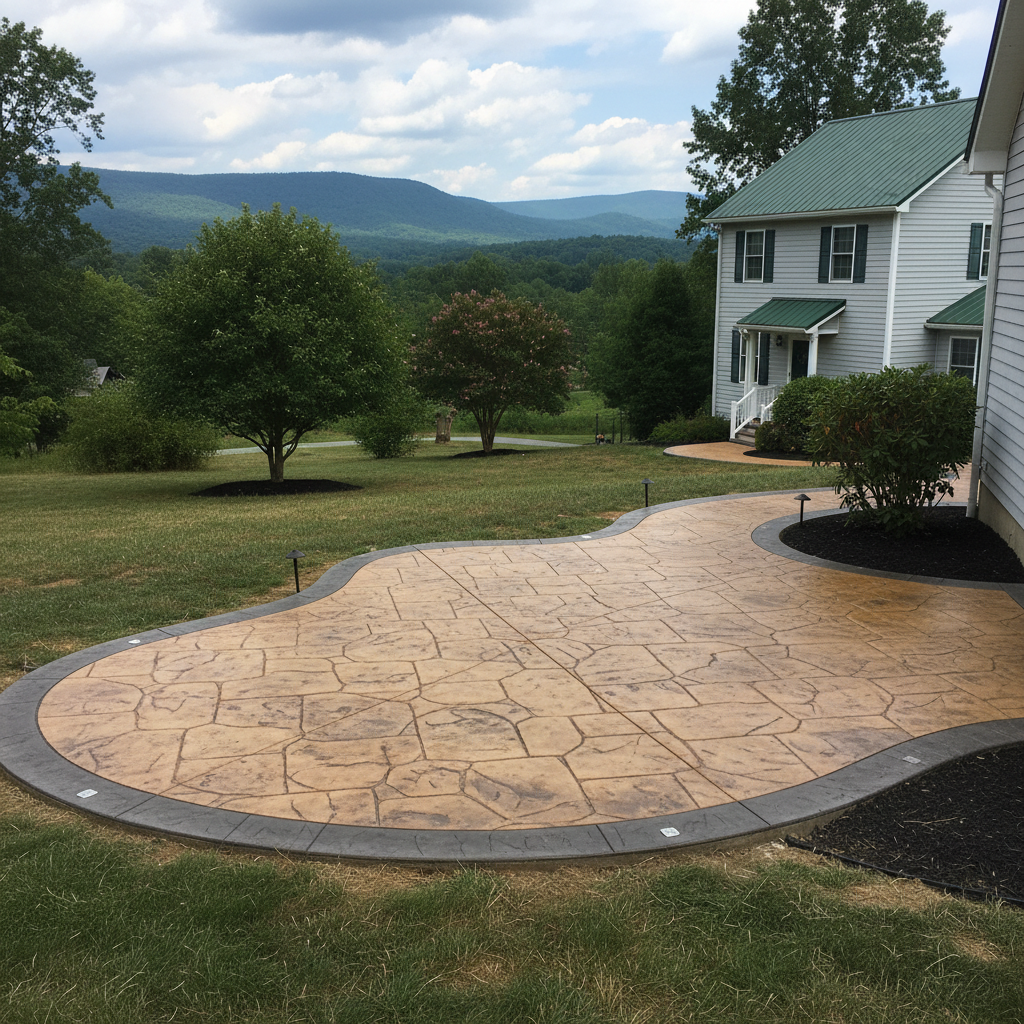
So, you're kicking around the idea of jazzing up your place with some decorative concrete, right? Maybe a cool stamped patio, a stained garage floor, or a snazzy new walkway. Honestly, that's a fantastic idea, and it can totally change how a space feels. But hold on a sec before you jump in; there are a few things you should really know to make sure your project goes off without a hitch. I've been pouring concrete for ages here in Cedar Grove, and trust me, I've seen it all. Let's chat about how to get this planned just right.
The Timeline: Don't Try to Rush Perfection
First things first: let's talk about when this can actually happen. This isn't some quick weekend DIY project, especially if you want it done well and built to last. From your first phone call to the finished product, you're probably looking at a few weeks, maybe even a month or two. Here's a rough idea of how it usually breaks down:
- First Chat & Quote: This part can take anywhere from a few days to a week. You give us a ring, we come out, measure things up, talk through your vision, and then we put together a detailed quote. Good contractors are usually busy, so sometimes it takes a little bit to get on the schedule just for an estimate.
- Getting on the Calendar: Once you've approved the quote, we'll need to find a spot for you on our schedule. Depending on the time of year – spring and fall are absolutely packed around here, especially with that wild Kanawha Valley weather we get – this could be a few weeks out. So, don't expect us to start tomorrow, okay?
- The Actual Work: For most decorative concrete jobs, the pouring and finishing might only take a few days. But that doesn't count all the prep work (like digging, building forms, grading the ground) or that super important curing time. Stamped concrete, for instance, needs to cure before we can seal it, and you really can't walk on it for a few days, or drive on it for a week or more. Staining or epoxy coatings? They've got their own specific cure times too.
- Those Final Touches & Sealing: We usually do this after the main pour has had plenty of time to cure. It's totally crucial for protecting your investment, by the way.
And don't forget to factor in potential weather delays, especially if we're working outside. A sudden downpour can push things back a day or two, and you just can't rush concrete, can you?
What to Expect While We're Working
When our crew is on your property, it's going to be a bit of a construction zone for a while. There will be noise, some dust, and equipment moving around. We'll need access to your yard, water, and electricity. If we're pulling up old concrete, expect some demolition mess before we haul it all away. We always try to keep things as neat as possible, but it won't be spotless. We'll lay down tarps and protect your landscaping as best we can, but a little disruption is just part of the deal.
Good communication is everything. I'll make sure you know what's happening each day and if anything unexpected pops up. Seriously, don't hesitate to ask questions while we're working. That's what I'm here for.
How to Get Your Property Ready
Before the crew shows up, you can do a few things to make our job easier and keep your place safe:
- Clear Everything Out: Move any patio furniture, grills, planters, kids' toys – anything at all – out of the work zone. If we're near a fence, you might even need to take out a section temporarily so we can get equipment in.
- Trim Your Plants: If you've got bushes or tree branches hanging over where we'll be working, trim them back. It gives us room and keeps your plants safe.
- Mark Sprinkler Heads & Utilities: If you have an irrigation system or an underground dog fence, clearly mark those heads and lines. We always call 811 before digging, but knowing exactly where your private lines are helps a ton and saves you from expensive repairs.
- Secure Pets & Kids: Keep pets inside or in a secure spot away from the construction. Same goes for the kids. Heavy equipment and wet concrete are definitely not safe play areas.
- Access: Make sure we can easily get to the work site. If a concrete truck is coming, is the driveway clear? Is there enough space for it to maneuver?
Questions to Ask Before You Sign on the Dotted Line
This part is super important. You want to feel really good about the contractor you pick, right? So don't be shy; ask these questions:
- Are you licensed and insured? This is a must-have, no exceptions. Ask for proof. My business, Guardian Concrete, is totally licensed and insured. It protects both of us, after all.
- Can I see some examples of your decorative concrete work? A good contractor will have a portfolio of past projects, maybe even some local ones you can actually drive by.
- What's your plan for site prep and cleanup? You want to know they're thorough and won't leave a huge mess behind.
- What kind of base do you use under the concrete? A strong, well-compacted base is absolutely critical for stopping cracks and settling, especially with our clay soils around here.
- Which sealer do you recommend, and what's the upkeep like? Different sealers offer different protection and looks. You need to know how to take care of your new concrete.
- What's your warranty? What does it cover, and for how long?
- What's the payment schedule? A reputable contractor won't ask for 100% upfront. There's usually a deposit, payments as work progresses, and a final payment when everything's done.
- Who will actually be on site? Your crew or subcontractors? It's good to know who you'll be interacting with day-to-day.
Taking the time to plan and ask the right questions now will save you a ton of headaches later and make sure you end up with a beautiful, durable decorative concrete project that you'll absolutely love for years.