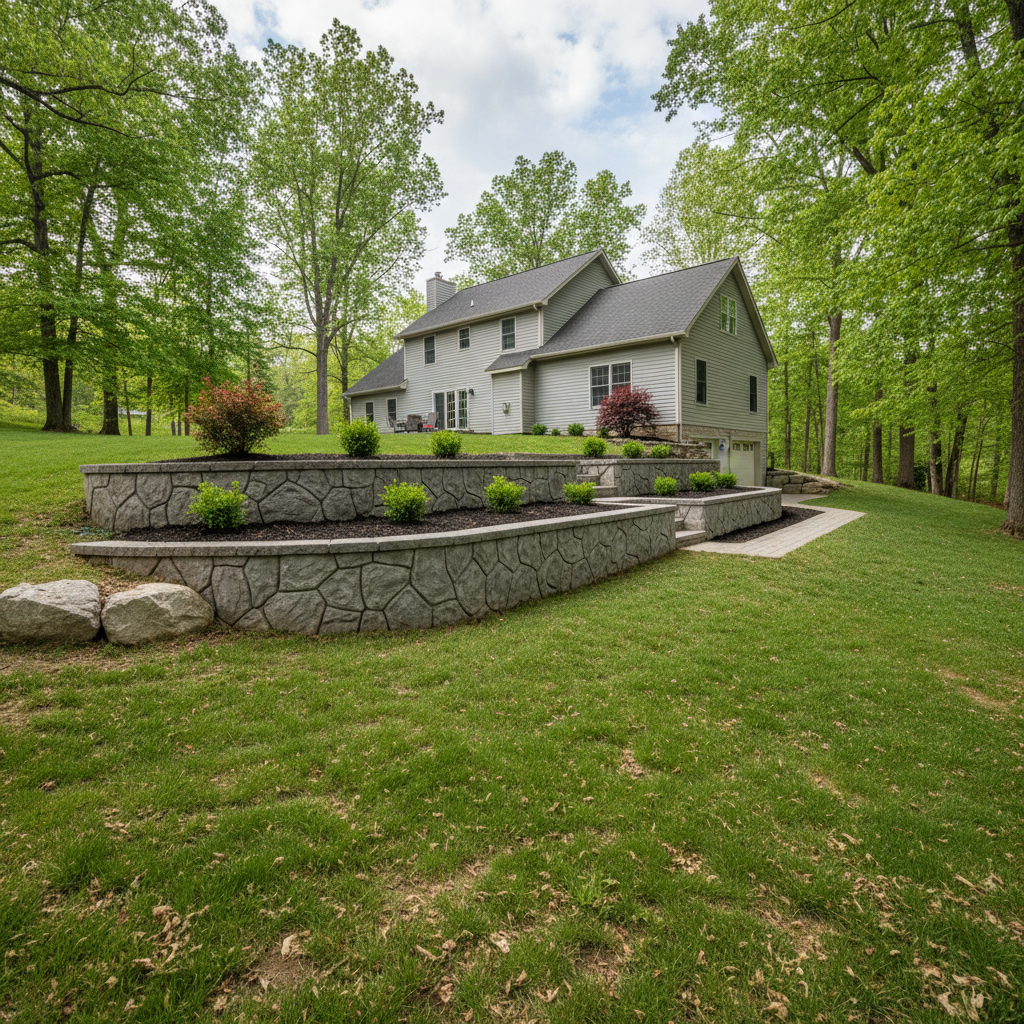
Choosing a concrete contractor for your driveway, patio, or foundation isn't just about finding the cheapest bid, you know. Trust me, I've seen plenty of folks around Cedar Grove learn that lesson the hard way. You're putting good money into something that needs to last for decades, so you absolutely want it done right. Here’s what I tell my neighbors when they ask me how to find a good crew.
What Should You Be Asking?
When you're talking to a potential contractor, don't be shy. Ask away. Their answers (or lack thereof) will tell you a lot about them.
- Are you licensed and insured? This isn't something you can compromise on. If they can't show you current proof of both, just walk away. A legitimate contractor protects themselves and, more importantly, protects you.
- How long have you been doing concrete work specifically? Someone who's been doing general handyman work for 20 years but only concrete for six months isn't the same as a dedicated concrete specialist. Experience really matters, especially with something as unforgiving as concrete.
- Can you provide references? And don't just take their word for it. Call those references! Ask about the quality of work, if they stayed on schedule, and if they cleaned up properly.
- What's your process for site preparation? This is huge, probably one of the most important parts. Good concrete starts with good prep. Are they compacting the subgrade? Will they use a proper base material, like crushed stone, which is especially important with our clay soils around here that can shift? What about rebar or wire mesh?
- What kind of concrete mix do you use? Ask about the PSI (pounds per square inch). For driveways and foundations, you generally want at least 4000 PSI.
- How do you handle drainage? Concrete needs to slope away from your house, right? If they don't bring this up, you definitely should.
- What's your warranty? A good contractor stands behind their work. Get it in writing.
What to Look For in a Quote
A good quote isn't just a number. It's a detailed breakdown of the work. Here’s what I expect to see:
- Clear scope of work: What exactly are they doing? Removing old concrete? Pouring new? What are the dimensions?
- Materials specified: Type of concrete (PSI), rebar/mesh, base material, sealers, etc.
- Prep work details: Excavation, grading, compaction.
- Timeline: Start and estimated completion dates.
- Payment schedule: Typically, a deposit upfront, then payments at certain milestones, and a final payment upon completion and your satisfaction. Be wary of anyone asking for 50% or more upfront.
- Warranty information: Again, get it in writing.
- Total cost: Obviously. Make sure it includes everything, no hidden fees.
Compare quotes, but don't just pick the cheapest. Look at the details. A slightly higher bid that includes proper rebar and a thicker slab is a much better deal than a cheap one that'll crack in a couple of years.
Red Flags to Watch Out For
You'll run into some characters out there, believe me. Here are some signs to make you pump the brakes:
- No license or insurance: We already talked about this. Big no.
- Cash-only deals: This screams