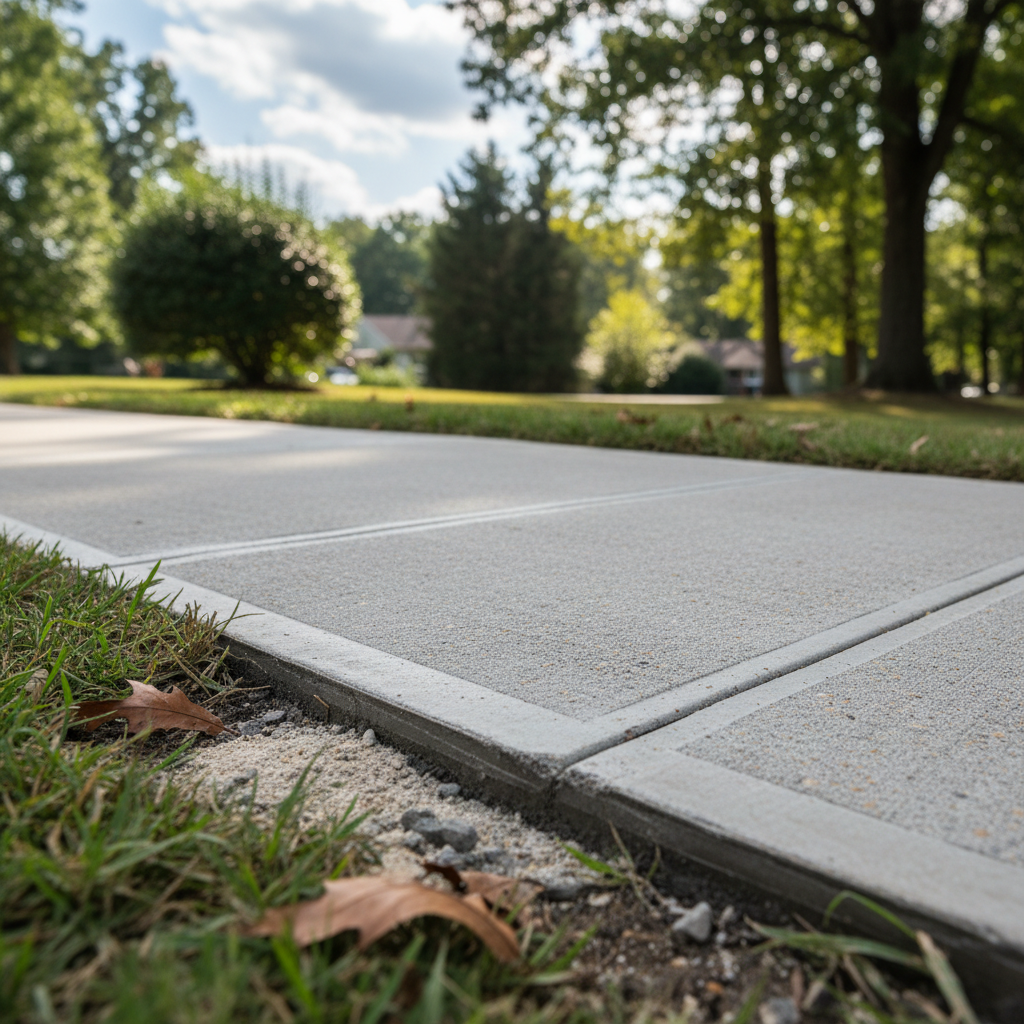
Your concrete's seen better days, hasn't it? Maybe it's a crack snaking across the driveway, a patch of patio that's flaking off, or a step that just feels wobbly. This is a pretty common problem, especially with all the freeze-thaw cycles we get here in Cedar Grove. A lot of folks spot a crack and immediately think, "I can fix that!" And sometimes, you absolutely can. Other times, though, you're just slapping a band-aid on something much bigger.
Let's talk about what you really need to know before, during, and after you tackle a concrete repair project.
Before You Start: Figure Out the Damage
First things first, you've got to figure out exactly what kind of damage you're up against. Not all cracks are created equal, you know. Is it just a hairline crack, maybe less than a quarter-inch wide, sitting right on the surface? Or is it a wider, deeper one that cuts all the way through the slab? Is the concrete crumbling, flaking, or just looking a bit discolored?
- Hairline cracks: These are often just cosmetic, usually caused by the concrete shrinking a bit as it dries. They're typically not a structural worry.
- Wider cracks (1/4 inch or more): These can point to movement in the ground underneath, tree roots pushing up, or even bigger structural issues. If one side of the crack is higher than the other? That's a definite warning sign.
- Spalling or flaking: This happens when the top layers of concrete start to peel or pop off. It often comes from poor finishing, freeze-thaw damage, or using de-icing salts.
- Pitting: Small, shallow holes, usually from little bits of aggregate popping out or air bubbles getting trapped.
- Settling: Sections of concrete sinking or tilting. This almost always means there's a problem with the ground below.
If you're seeing a lot of settling, wide cracks that aren't level, or big areas of crumbling, that's usually a pretty good sign it's more than just a simple DIY patch job. You're probably dealing with an issue in the soil underneath, and just filling the crack won't actually solve anything. Especially with some of the clay soils we have around Cedar Grove, good drainage and proper compaction are super important, and if those weren't done right in the first place, you'll just keep running into trouble.
What You Can Probably Fix Yourself
Okay, so you've checked out the damage and it looks like something you can handle. Good for you! Here's what most homeowners can realistically tackle:
- Hairline crack repair: You can grab a good quality concrete caulk or a vinyl-reinforced patching compound. Just clean the crack really well, make sure it's dry, and then put the product in following the directions. It's mostly for looks and to stop water from getting in and making things worse.
- Small spalling or pitting: For little, shallow spots, you can use a concrete resurfacer or patching compound. You'll need to chip out any loose bits, clean the area thoroughly, and then apply the patch. Try to feather the edges so it blends in nicely.
- Loose mortar in brick or block steps: If it's just a few spots, you can re-point them with fresh mortar. This is more about having the right technique than doing any heavy lifting.
For these kinds of repairs, you'll need some basic tools: a wire brush, a chisel, a hammer, a trowel, a bucket for mixing, and safety glasses. Make sure to read the instructions on your patching material carefully. Different products have different mixing ratios and cure times, after all. Don't rush it, and try your best to match the texture and color, though getting a perfect match on old concrete can be tricky.
When to Call a Pro (That's Us, Guardian Concrete)
Now, let's talk about when it's definitely time to pick up the phone. Don't feel bad about this; some jobs just need specialized equipment, real expertise, and a whole crew. Here's when you should absolutely call a professional like Guardian Concrete:
- Wide, deep cracks with uneven edges: This often means the slab has shifted or settled. We'd need to dig into the cause, which might mean lifting the slab with special equipment or even replacing whole sections.
- Large areas of spalling or crumbling: If a big chunk of your patio or driveway is flaking apart, a patch just isn't going to hold up. You might need a full resurfacing or even a replacement of that section.
- Significant settling or sinking: If your sidewalk or driveway has dropped several inches, especially if it's close to your foundation, that's a serious problem. We can often use concrete leveling (mudjacking or polyjacking) to raise it back up, which is way less disruptive and costly than tearing it all out.
- Structural damage: If you think the concrete is part of your home's foundation or a load-bearing structure, please, absolutely call a pro. You really don't want to mess around with that kind of thing.
- Repeated failures: If you've tried to patch something yourself a few times and it just keeps breaking again, there's an underlying issue that needs a professional diagnosis.
The biggest mistake I see homeowners make is trying to patch something that's just not sound to begin with. You spend money on materials, put in the time and effort, and then it just breaks again in a few months. That's incredibly frustrating and a total waste of your hard-earned cash. A professional can actually figure out the root cause, suggest the right solution, and make sure the repair lasts.
After the Repair: Maintenance Matters
Once your concrete is repaired, whether you did it yourself or hired us, a little maintenance goes a long way. Keep the area clean, sweep away debris, and make sure water drains away from the concrete, not towards it. Try to avoid using harsh de-icing salts in the winter; sand or cat litter work much better for traction if you're worried about slips. Sealing your concrete every few years can also help protect it from moisture and make it last longer.
Look, I get it. You want to save a buck and feel proud doing things yourself. And for some concrete issues, you absolutely can. But for others, calling in the folks who do this day in and day out is just the smartest move. We're right here in Cedar Grove, and we're always happy to come take a look and give you an honest opinion on what your concrete truly needs.