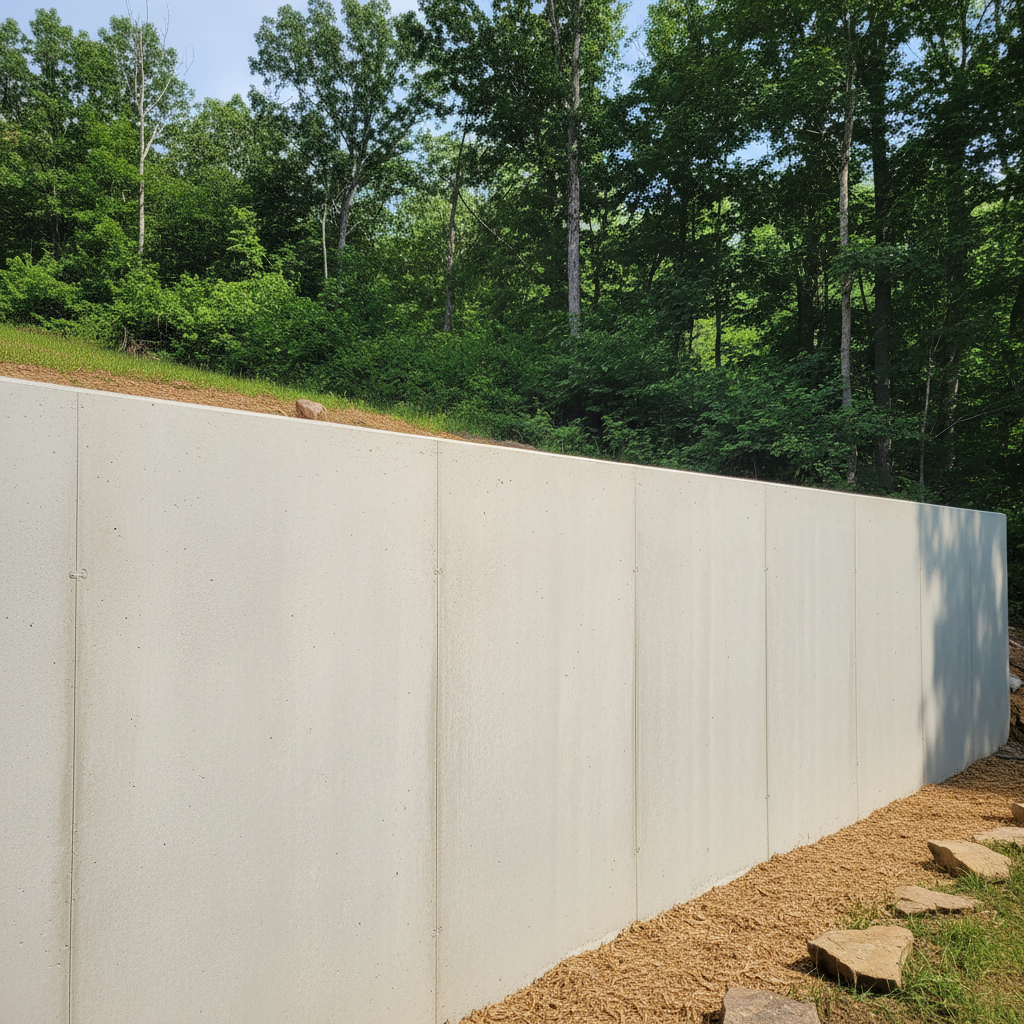
What's the main point of a retaining wall, anyway?
Alright, let's get right to it. A retaining wall isn't just a fancy landscaping feature, though, sure, it can definitely look good. Its main job is to hold back soil. Think about it: if you've got a slope in your yard, especially here in Cedar Grove where we've got plenty of hilly spots and riverfront properties, that soil just wants to slide downhill. Gravity's a real force, and erosion is no joke. So, a retaining wall creates a stable, vertical barrier that stops that soil from moving. This can create flat, usable spaces on a sloped yard, prevent erosion from undermining your foundation or other structures, or even manage water runoff. Really, it's about stability and making your land work for you.
How do I know if I even need one?
That's a good question, and one I get a lot. You probably need a retaining wall if you're dealing with a significant slope that's causing problems. Are you losing yard space to a steep incline? Is water runoff from a hillside washing away your topsoil or pooling near your house? Do you have an area where you want to create a level patio, garden bed, or driveway but there's a drop-off? Maybe you've got cracks in your foundation that might be linked to soil pressure. If you're seeing any of these issues, or if you're planning a new build on a sloped lot, it's definitely time to consider a retaining wall. Sometimes, even a small grade change can benefit from a low wall to define a space or prevent minor erosion, you know?
What kind of concrete options are there for retaining walls?
When we talk concrete, you've got a few solid choices for retaining walls. The most common are: poured concrete, which is incredibly strong and versatile; segmental retaining wall (SRW) blocks, which are pre-manufactured concrete units that interlock; and sometimes precast concrete panels. Poured concrete gives you the most flexibility in terms of shape and finish – you can get it smooth, textured, or even stamped. SRW blocks are popular for their looks and easier installation for smaller projects, plus they come in various colors and styles. Each has its pros and cons regarding strength, appearance, and cost, but they all do the job of holding back soil effectively when installed right.
How deep does the foundation for a concrete retaining wall need to be?
This isn't something you want to guess at, because the foundation is crucial for the wall's stability. Generally, the foundation needs to extend below the frost line to prevent frost heave, which can really mess up a wall over time. Here in Cedar Grove, our frost line is usually around 30-36 inches, but I always recommend going a bit deeper to be safe, especially for taller walls or walls holding back a lot of soil. The width of the footing is also important, often needing to be at least half the height of the wall, sometimes more. For bigger walls, we're talking about engineered designs that specify exact depths and widths, along with rebar placement. You're building something to resist tons of pressure, so the base has to be rock solid.
Will I need drainage behind the wall?
Absolutely, 100% yes. This is non-negotiable for a concrete retaining wall. Water is the enemy of any retaining structure if it's allowed to build up behind it. Hydrostatic pressure from saturated soil can put immense stress on a wall, leading to cracks, bowing, or even failure. We always install a drainage system behind the wall, typically a perforated pipe (like a French drain) surrounded by gravel, which directs water away from the wall and out through weep holes or to a proper discharge point. Without good drainage, even the strongest concrete wall won't last as long as it should. It's a critical part of the design and installation process.
What about permits? Do I need one for a retaining wall in Cedar Grove?
You probably do, especially for anything of significant size or height. Building codes vary, but generally, if a retaining wall is over a certain height – often 3 or 4 feet – or if it's supporting a structure or property line, you'll need a permit from the local building department. This isn't just red tape; it's to make sure the wall is designed and built safely, protecting your property and potentially your neighbors'. I always advise my clients to check with the Kanawha County Planning and Development Office. It's better to get the right approvals upfront than to face fines or have to tear down a wall later. We at Guardian Concrete can help you understand the requirements and even assist with the permit process.
How long do concrete retaining walls last?
When designed correctly, built with quality materials, and installed by experienced pros like us, a concrete retaining wall can last a very, very long time. We're talking decades, often 50 to 100 years or more. Concrete is incredibly durable. The key factors for longevity are proper foundation work, adequate drainage, and using the right concrete mix and reinforcement. Regular maintenance is minimal but important – just making sure the drainage isn't blocked and keeping an eye out for any unusual cracking or movement. A well-built concrete retaining wall is a long-term investment in your property's stability and value.
Can I build a retaining wall myself?
For a small, decorative wall that's only holding back a few inches of soil, maybe. But for anything structural, or over a couple of feet high, I strongly advise against it. There's a lot of engineering that goes into a retaining wall – understanding soil mechanics, hydrostatic pressure, proper drainage, foundation requirements, and reinforcement. A failed retaining wall isn't just an eyesore; it can be a safety hazard, cause significant property damage, and be incredibly expensive to fix. Unless you're a seasoned professional with experience in this specific type of construction, it's best to leave it to the experts. You want that wall to stand strong for decades, not fall apart after a heavy rain.