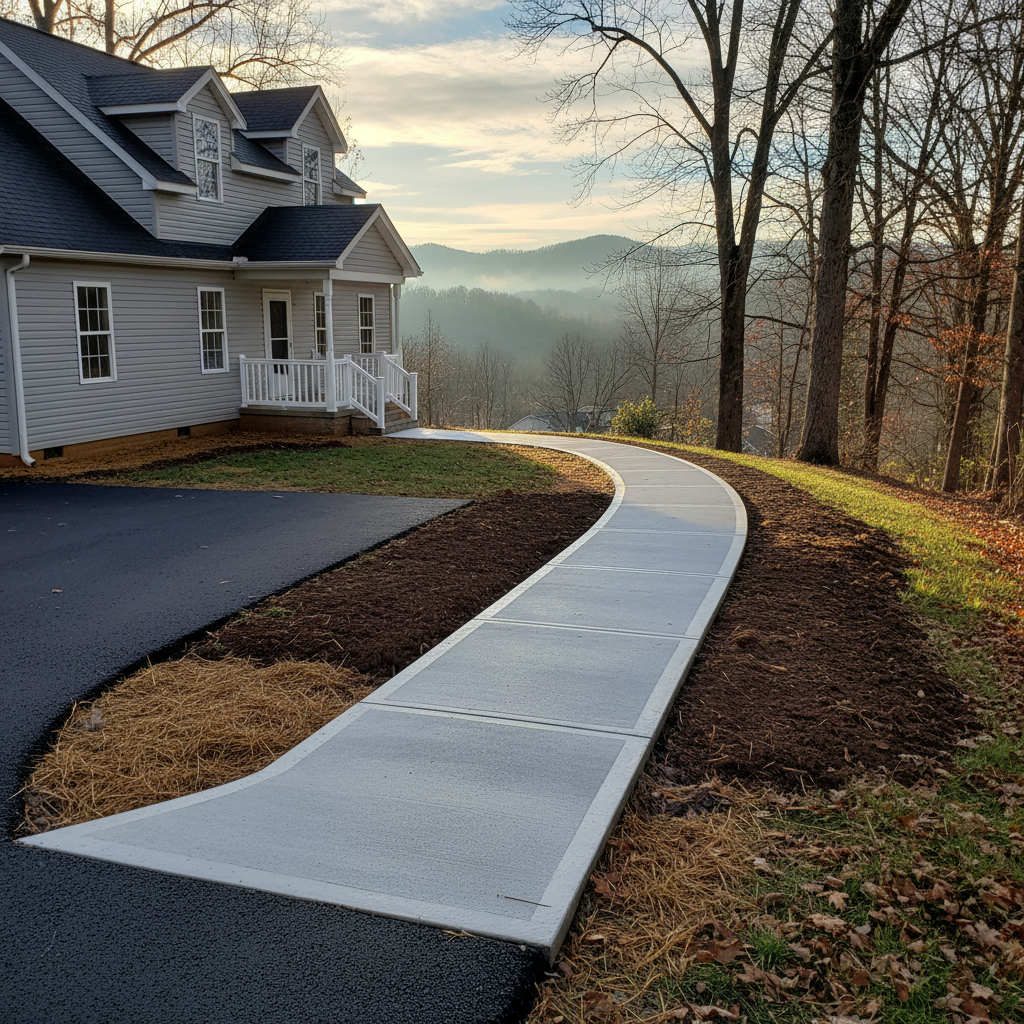
Think your concrete sidewalks are just, well, concrete? You might want to think again. Here in Cedar Grove, especially with our crazy swings from humid summers to freezing winters, those sidewalks are constantly battling the elements. I've seen firsthand what our local climate does to concrete if it's not installed right or properly cared for. Honestly, you've got to be smart about when you get work done and how you maintain it.
When's the Best Time for New Sidewalks?
People often ask me, "When's the best time to pour new concrete?" My answer's usually pretty straightforward: spring or fall. You're looking for that sweet spot where temperatures stay consistently above freezing but don't get scorching hot. For us in Cedar Grove, that means late April through June, and then again from September into late October. Why those times, you ask?
- Consistent Temperatures: Concrete cures best when the temperature stays pretty steady. Big temperature swings — like going from 80 degrees during the day to 40 at night — can make it expand and contract too much while it's still hardening. That's a recipe for cracks down the line.
- Moisture Control: You definitely don't want it drying out too fast in the summer sun, or freezing before it's had a chance to gain strength in the winter. Spring and fall usually hit that Goldilocks zone – not too wet, not too dry, and not too hot or cold.
- Less Rain Risk: Sure, you can work around rain, but it's always better to avoid it if you can. Heavy downpours on fresh concrete can wash away the surface paste, weakening it and making it look rough.
Now, can you pour in summer? Absolutely, we do it. But it demands more careful planning, like pouring early in the morning, using admixtures to slow down setting, and diligent curing to prevent rapid drying. Winter? Forget about it for new pours unless it's an absolute emergency and you're ready to pay for expensive heating and protection. It's just not worth the risk to the concrete's long-term integrity, in my opinion.
Weather Conditions That Really Matter
It's not just the season, you know, it's the daily conditions. You'd be surprised how much humidity, wind, and even the ground temperature can affect a pour. For instance, a windy, sunny day in May can dry out fresh concrete almost as fast as a hot summer day. That's why we're always checking forecasts and conditions before we even think about mixing a batch.
Here in Cedar Grove, we've got some areas, especially down near the Elk River, where the ground can stay pretty damp. That means we pay extra close attention to proper sub-base preparation and drainage. You don't want water sitting under your new sidewalk, freezing and thawing, and heaving it up. That's a recipe for disaster, plain and simple.
Protecting Your Sidewalk Investment Year-Round
Once your sidewalks are in, your job isn't over. You've got to protect that investment. It's like anything else; a little care goes a long way.
Winter Care: De-Icers and Shoveling
This is where most damage happens. You've got to be careful with de-icers. Products containing ammonium sulfate or ammonium nitrate are a big no-no for concrete. They'll eat right through it. Stick to de-icers that are calcium chloride-based or, even better, just plain sand for traction. Shovel early and often. Don't let heavy snow sit and melt, then refreeze. That freeze-thaw cycle is concrete's worst enemy.
Spring & Summer: Cleaning and Sealing
Once winter's over, give your sidewalks a good cleaning. A pressure washer on a low setting can work wonders, but be careful not to get too aggressive, especially on older concrete. Consider sealing your concrete every few years. A good quality penetrating sealer will repel water, resist stains, and protect against those harsh freeze-thaw cycles. It's like sunscreen for your concrete, and it's a smart move for our climate, don't you think?
Fall: Clearing Debris
Before winter hits, make sure your sidewalks are clear of leaves and debris. Wet leaves can hold moisture against the concrete, and if they decompose, they can leave stains. Plus, you don't want hidden slippery spots once the temperatures drop.
Look, your sidewalks are a big part of your home's curb appeal and safety. Taking the time to understand when and how to get them installed, and then giving them a little love throughout the year, will save you headaches and money down the road. If you've got questions about your concrete or need some work done, don't hesitate to give us a call at Guardian Concrete. We're always here to help our neighbors in Cedar Grove.